
Postwar Japan
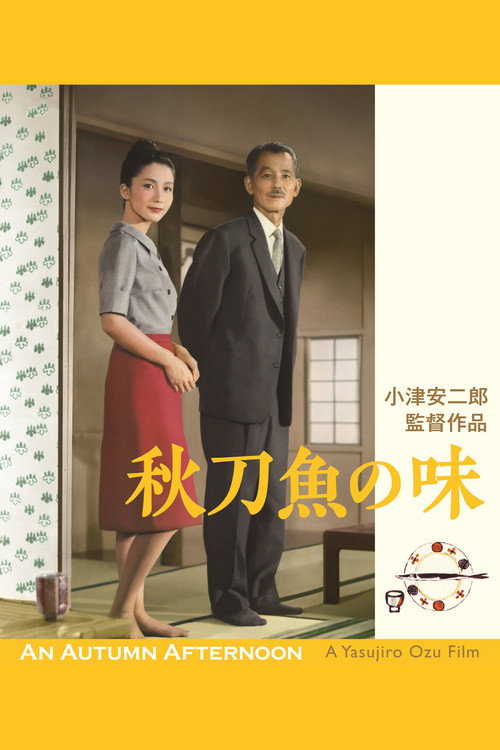
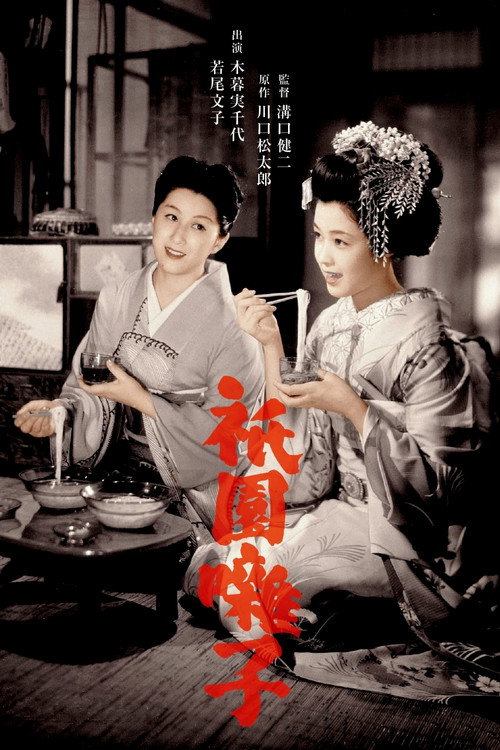
Marriage, family ties and ways of making a living in a Japan transformed by the war.
30 films
View selection →Personal paths through the collection. Some follow a filmmaker, a period or a national cinema; others reflect interests and connections that emerge over time.
Marriage, family ties and ways of making a living in a Japan transformed by the war.
30 films
View selection →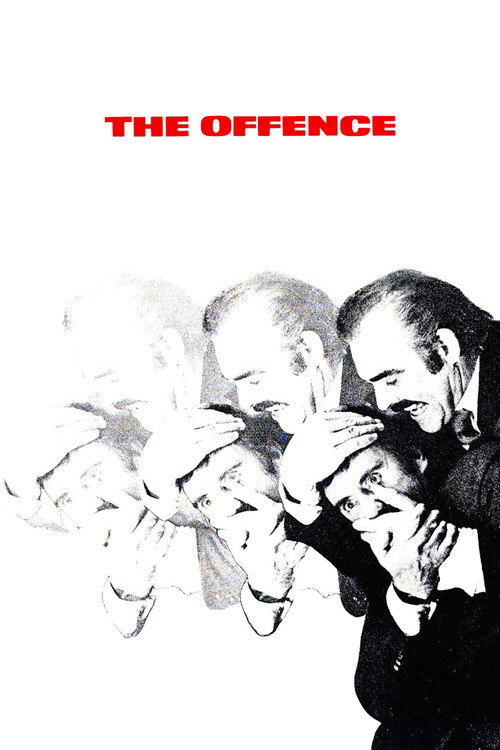


From the courtroom to the city streets, people confront power, guilt and the limits of their own conscience.
32 films
View selection →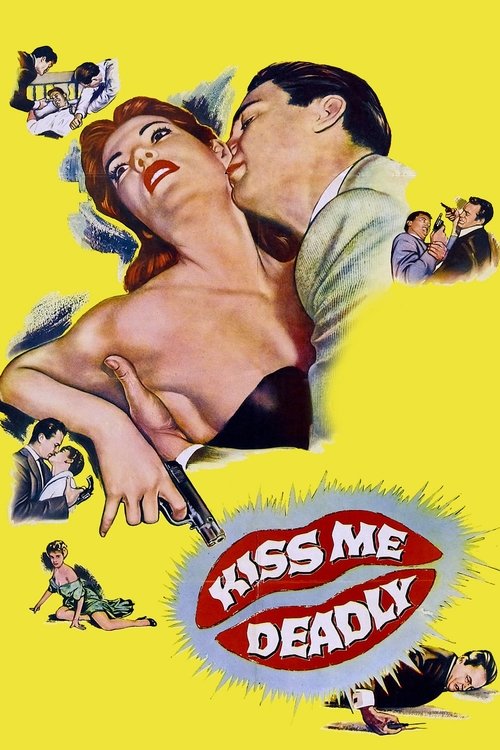
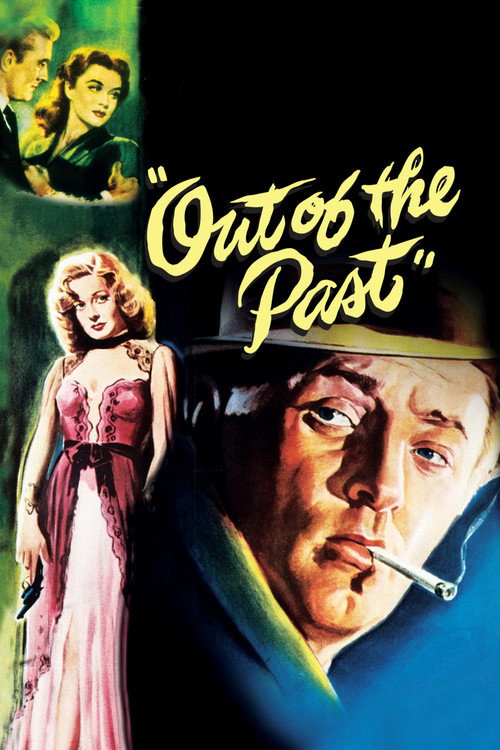
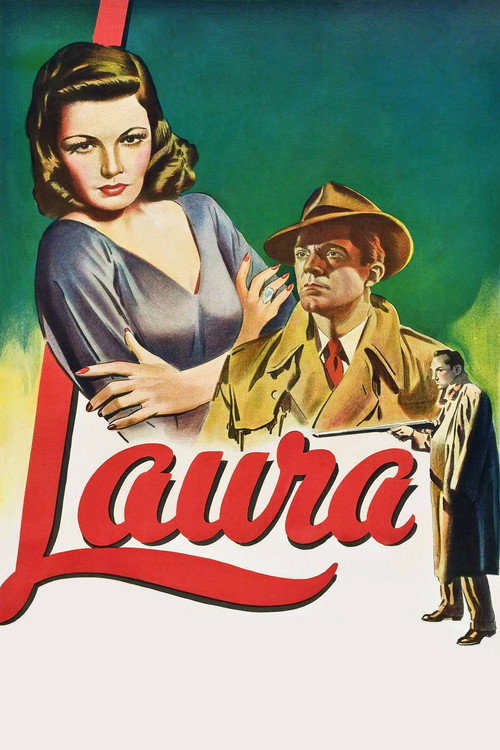
Detectives, desire and crimes that exact a price. Stories in which escaping the past is rarely simple.
5 films
View selection →

Films in the collection with Portuguese subtitles.
119 films
View selection →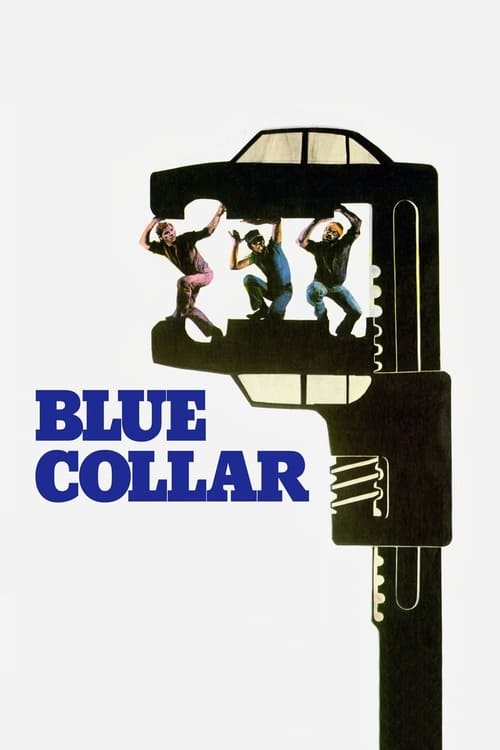
From the family dramas of Ozu and Mizoguchi to the radical departures of Ōshima and Tsukamoto, different ways of looking at Japan.
104 films
View selection →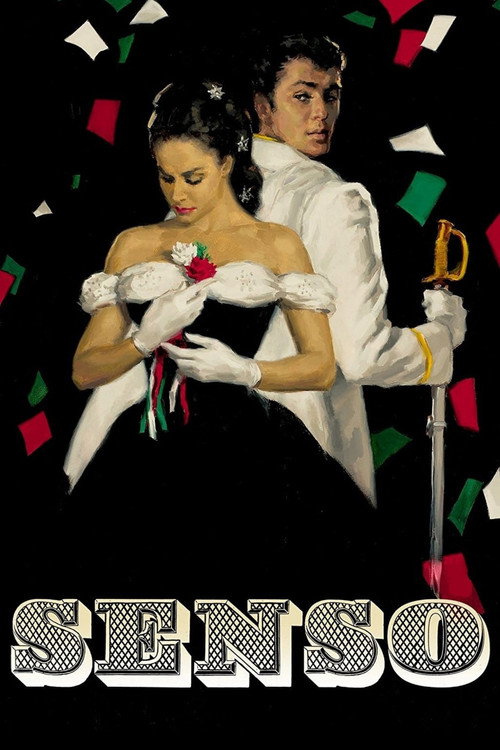
Changing families, restless cities and contested frontiers. An encounter with the cinema of the 1950s.
115 films
View selection →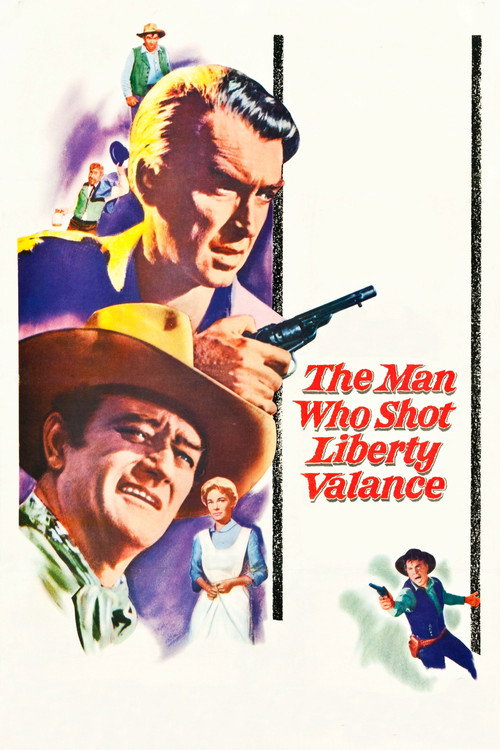
The making of communities, their promises and contradictions, across Western landscapes, dramas and documentaries.
64 films
View selection →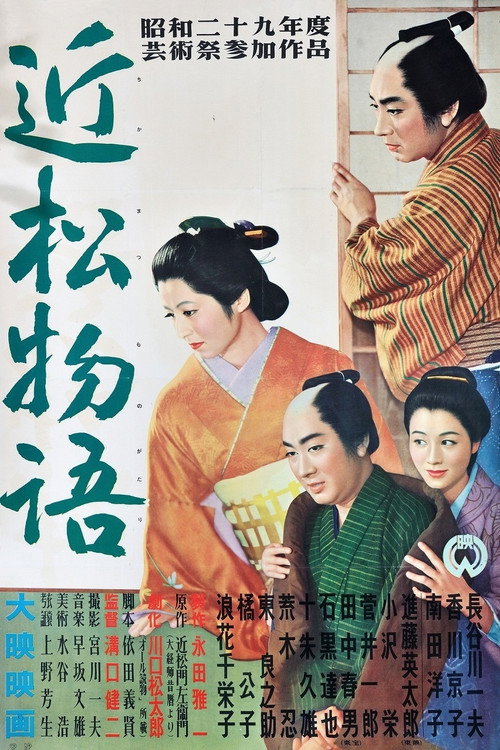
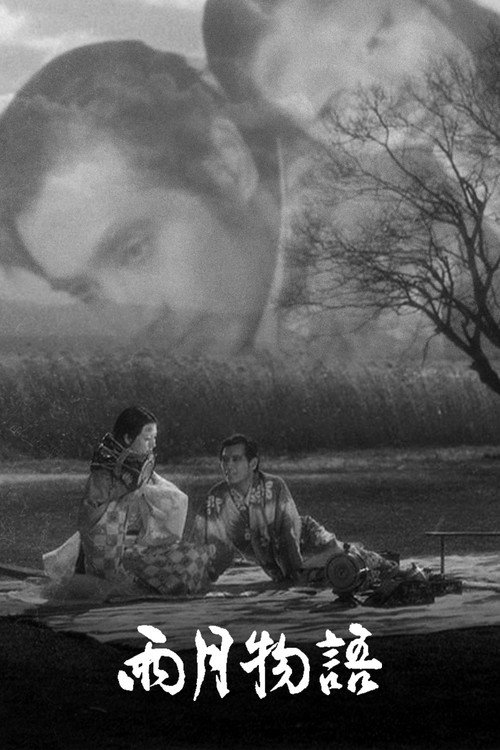
From feudal Japan to twentieth-century cities, women face poverty, exploitation and family obligations.
28 films
View selection →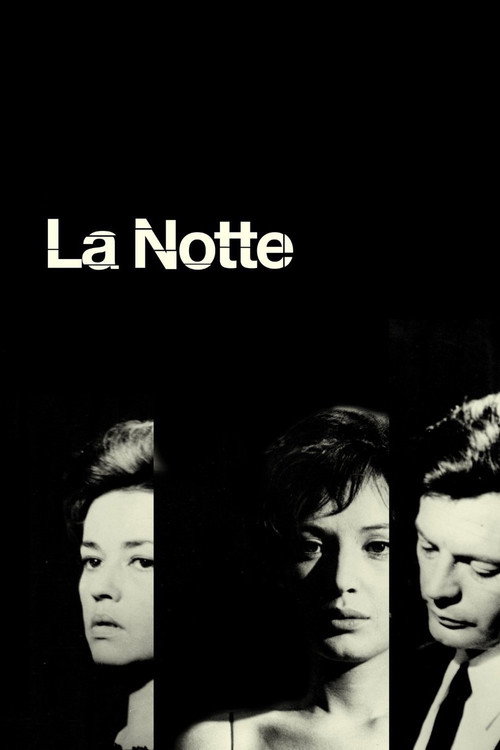
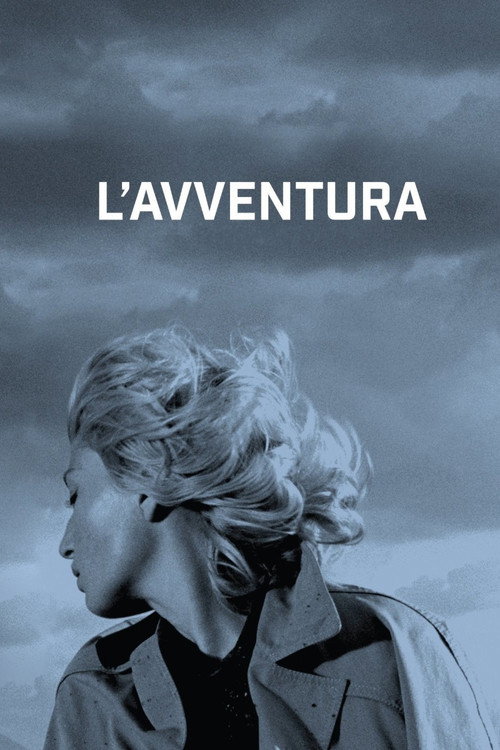
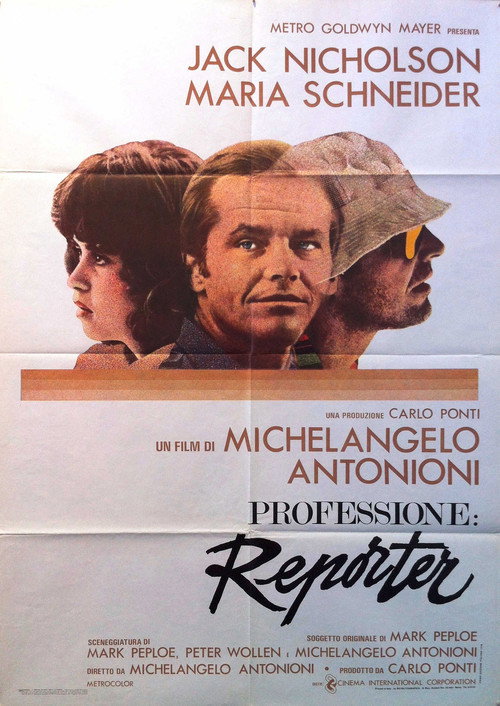
Love comes apart and people seem to lose their bearings amid streets, interiors and changing landscapes.
20 films
View selection →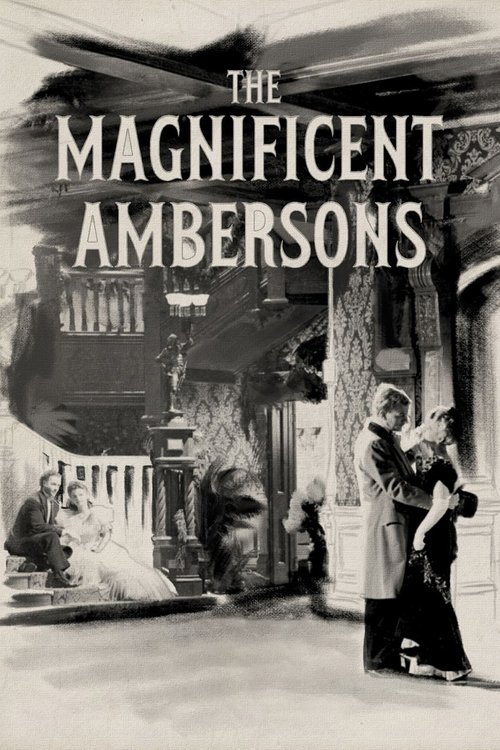
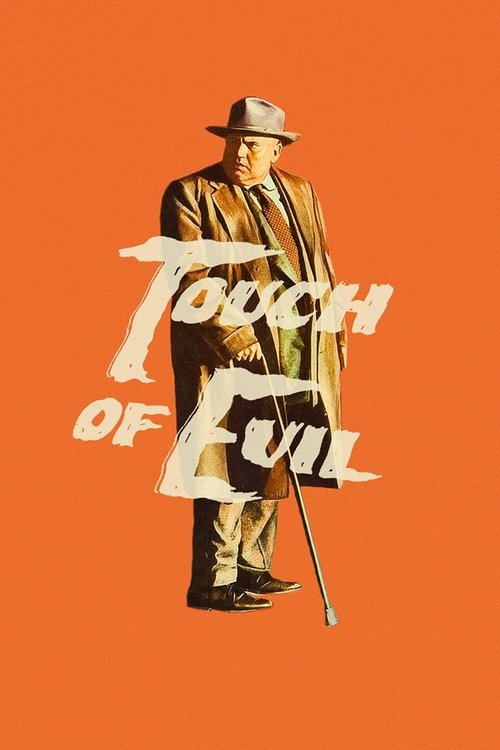
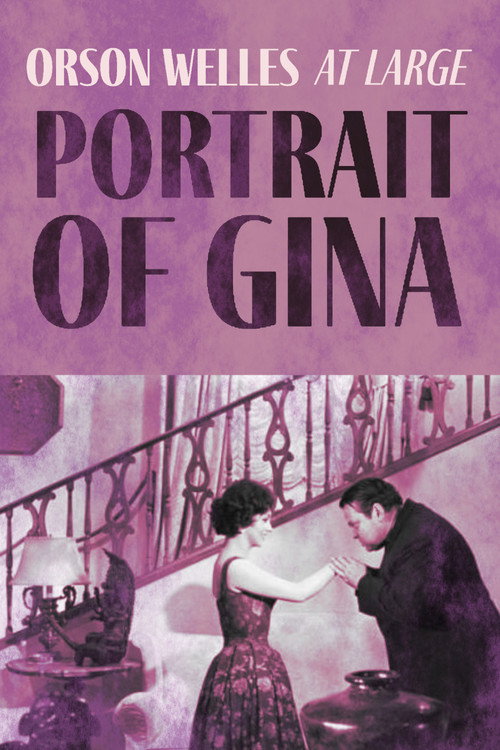
Ambition, power and competing versions of a story, in films where staging itself becomes part of the conflict.
14 films
View selection →
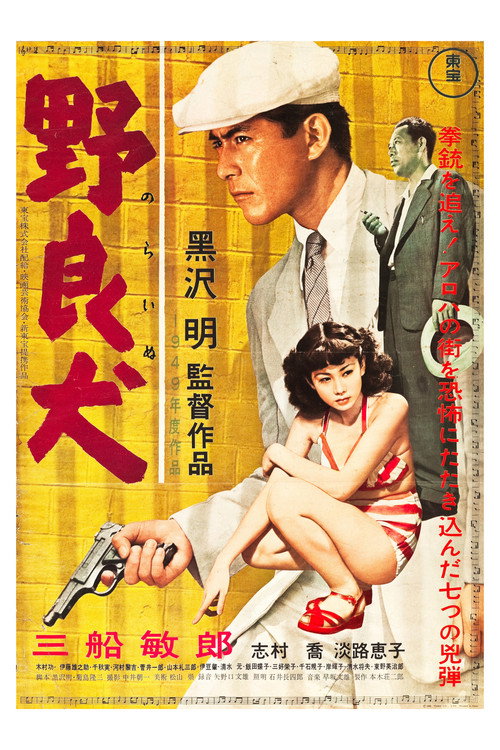
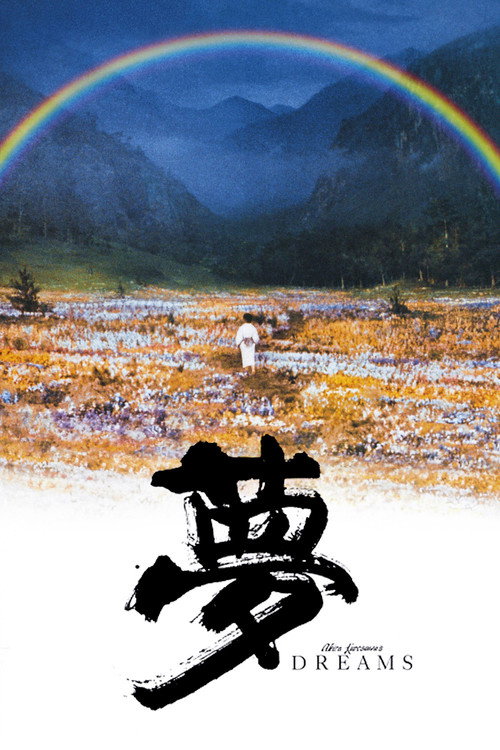
Samurai, police officers and ordinary people facing difficult choices. The responsibility to act in a world of conflict.
10 films
View selection →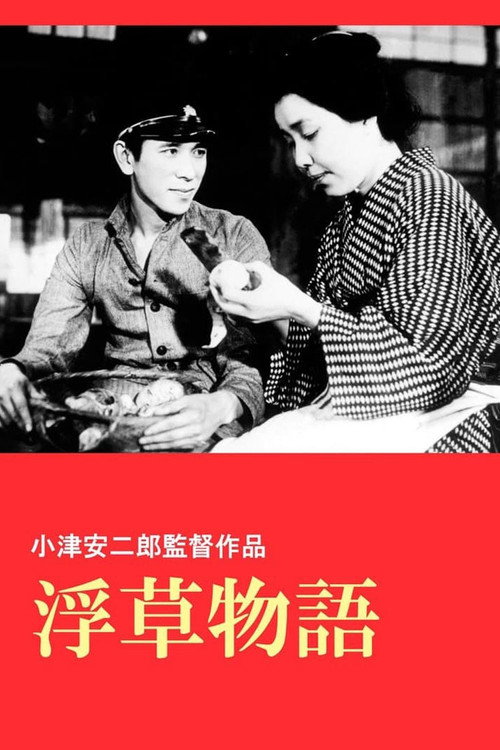
Marriages, farewells and relationships between parents and children. Films in which changes in family life emerge through conversations, gestures and household routines.
9 films
View selection →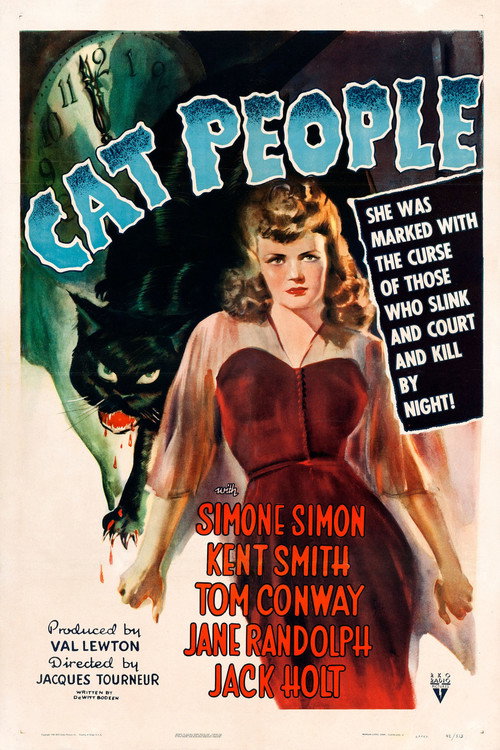
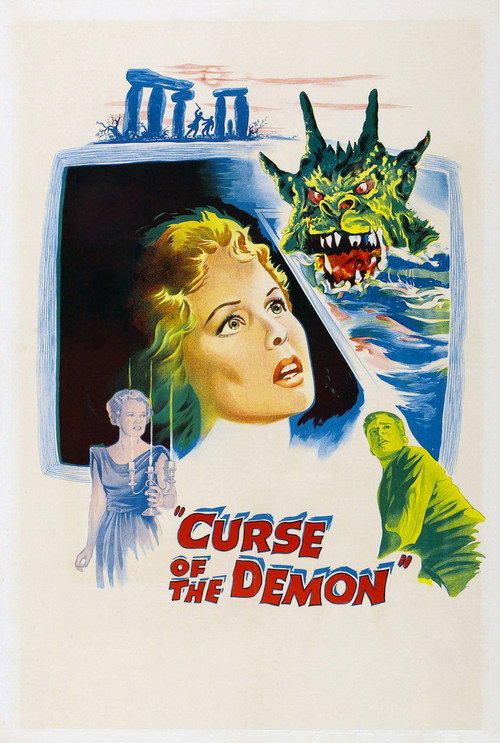
Danger does not always reveal itself. Shadows, suspicion and threats run through his horror films, noirs and westerns.
13 films
View selection →
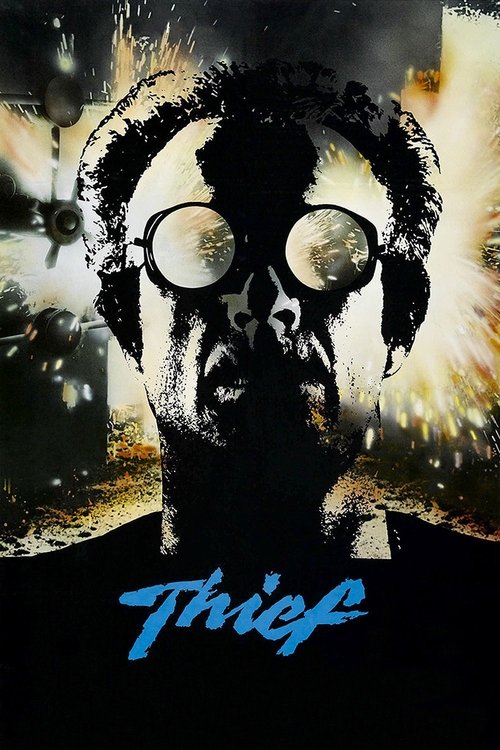
Men defined by what they do, on both sides of the law. Work, obsession and the cost of living by a code.
6 films
View selection →Family dramas, comedies, westerns and horror, with films by Rossellini, Visconti, Fellini, Antonioni, Leone and Argento.
43 films
View selection →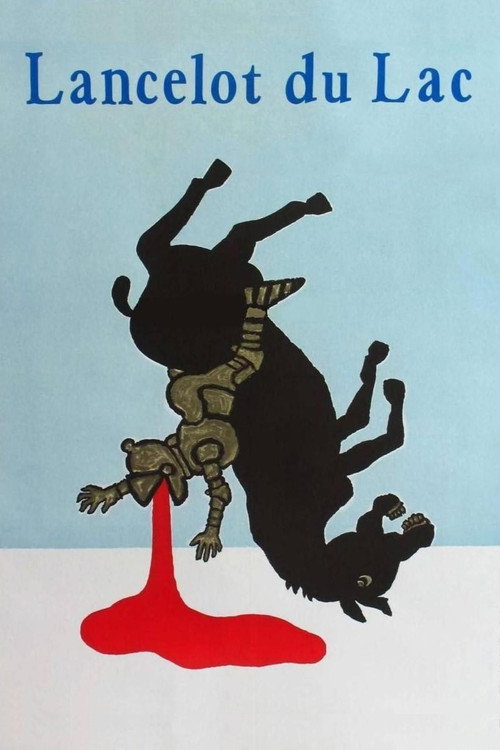
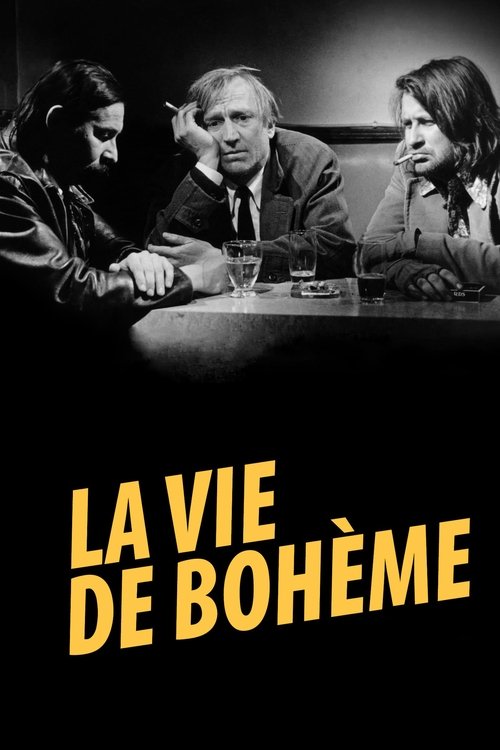
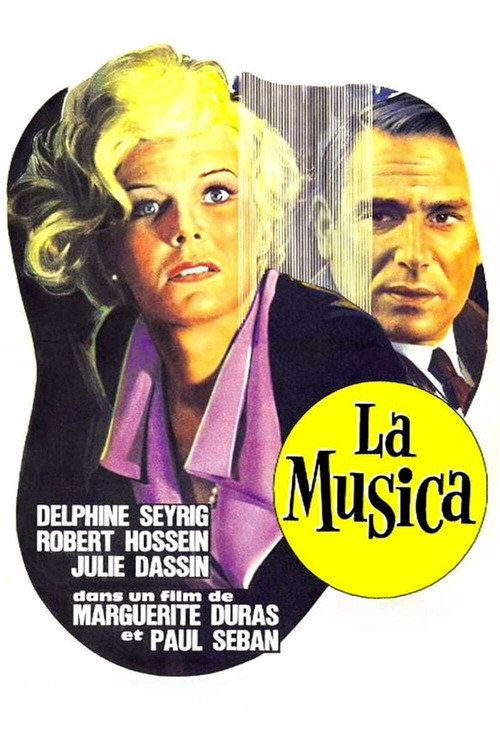
From Renoir and Bresson to the New Wave, encounters between private lives, social tensions and the freedom to experiment.
56 films
View selection →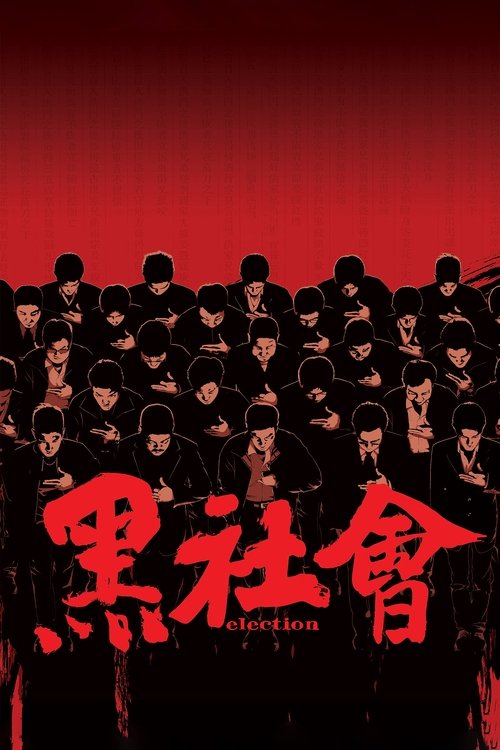
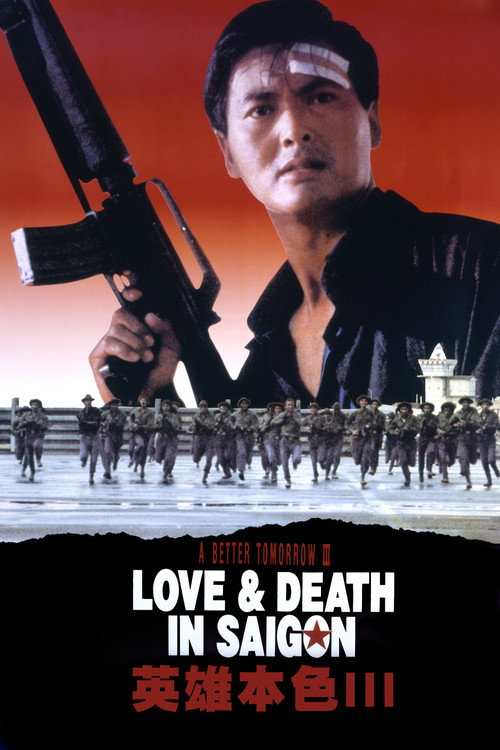
Loyalties tested, violence and lives in motion, from the films of John Woo to those of Johnnie To and Stanley Kwan.
9 films
View selection →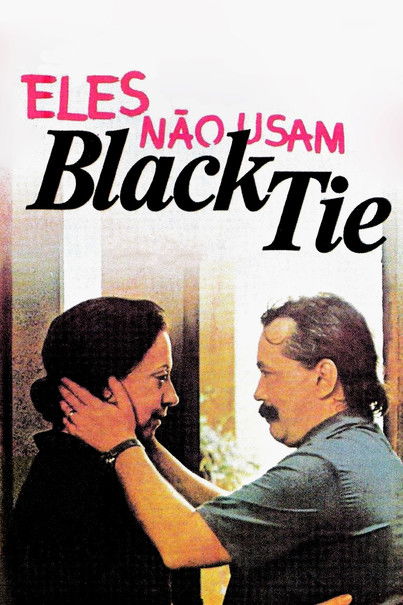
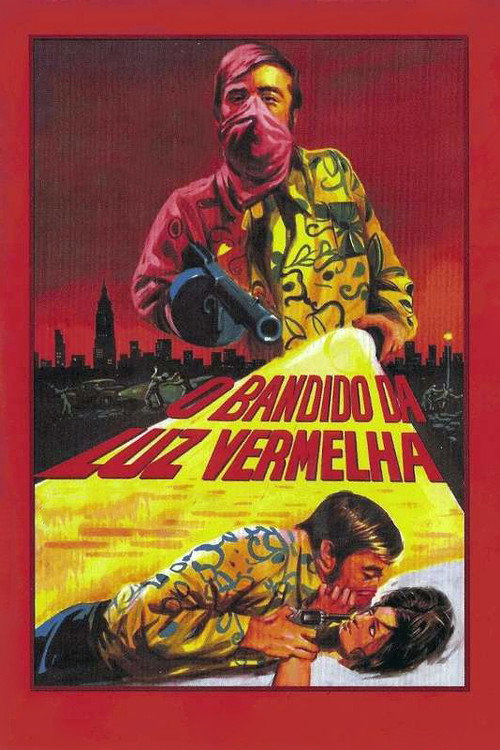

From the sertão to city streets, stories of work, inequality and invention that question the country.
21 films
View selection →
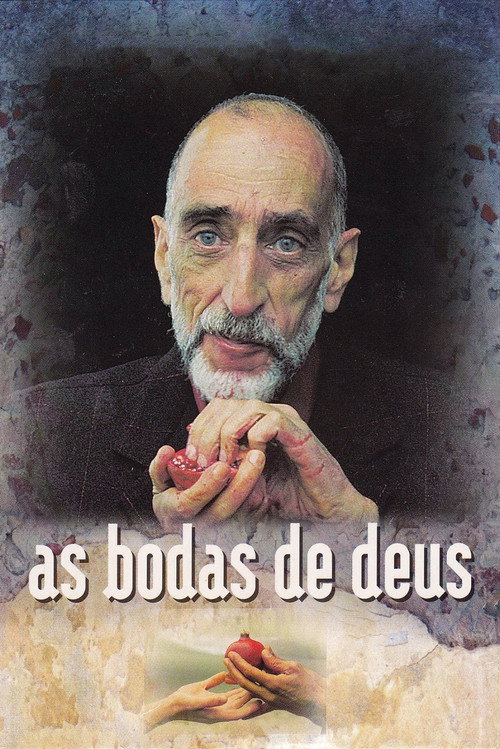

João César Monteiro and Manoel de Oliveira explore desire, memory and the pleasure of giving words a place in cinema.
10 films
View selection →
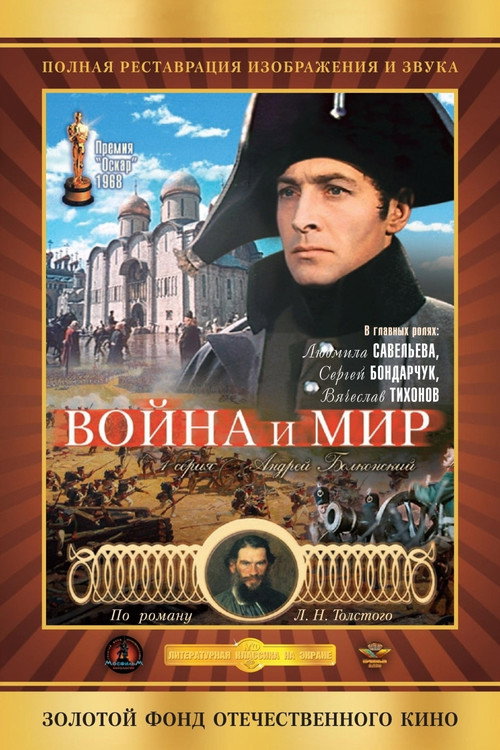
War, memory and everyday life in films that ask where each person stands in relation to history.
9 films
View selection →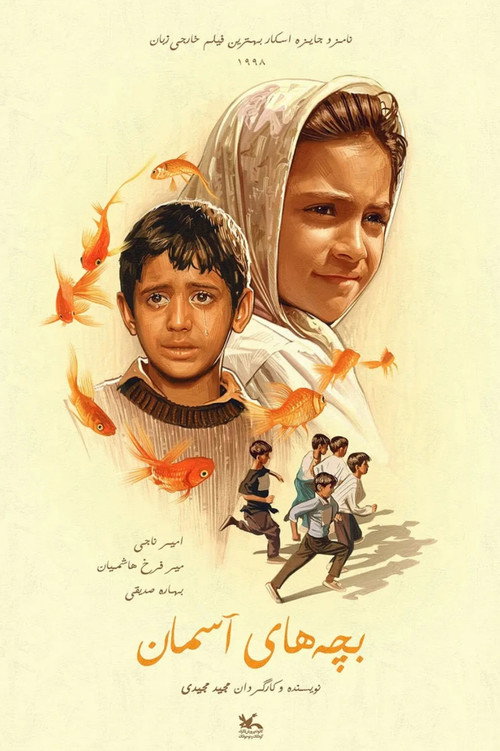
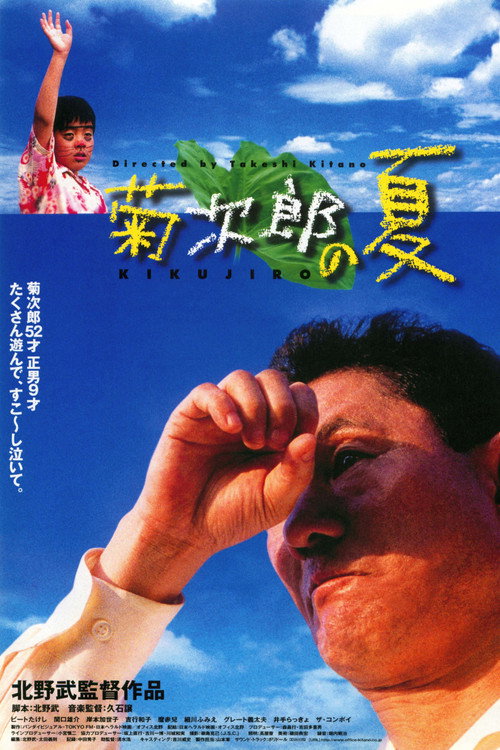
Growing up between care and abandonment, discovering friendships and seeking a place in a world shaped by adults.
10 films
View selection →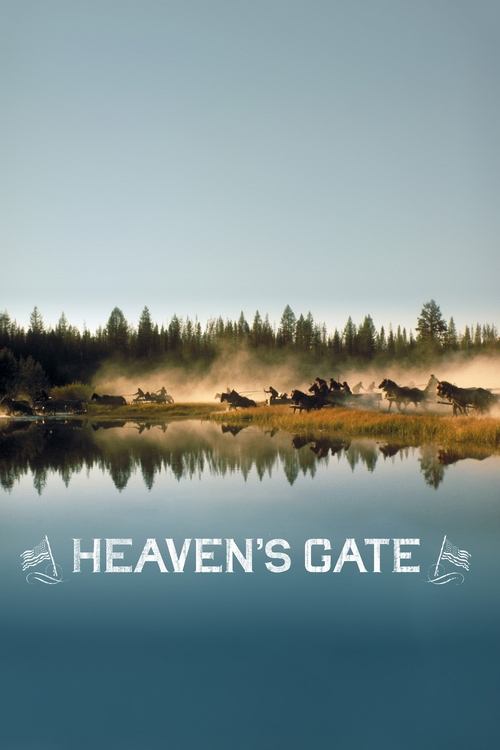
Work in factories, in the countryside and in cities, as seen in films such as Blue Collar, The Grapes of Wrath and They Don’t Wear Black Tie.
9 films
View selection →
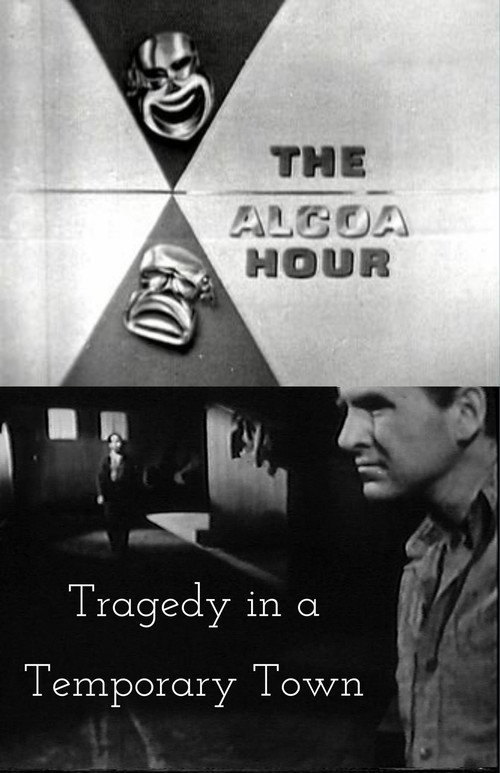
Who judges, who investigates and who answers for their actions? Films about the distance between law, power and justice.
12 films
View selection →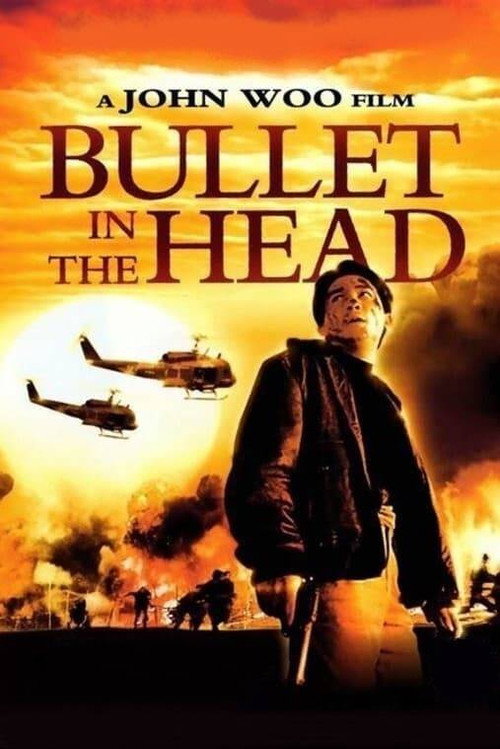
In combat or far from it, war changes relationships, enters memory and continues to weigh on those who survive.
13 films
View selection →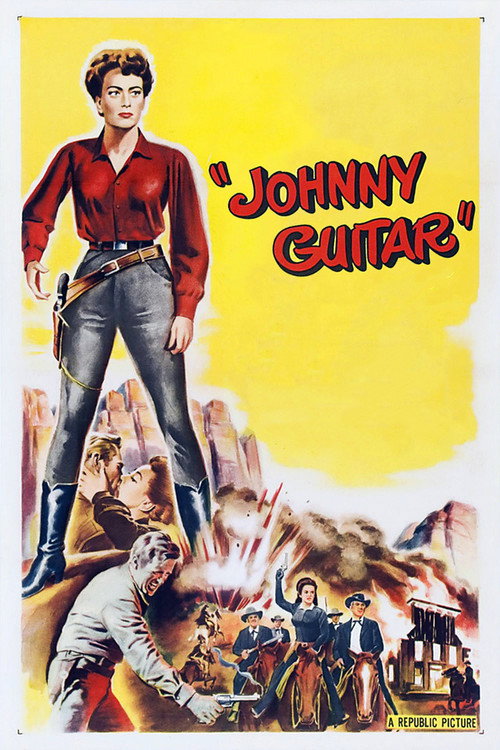
Land, law and violence in the struggle for a place. Westerns in which building a community also means deciding who is left out.
32 films
View selection →